
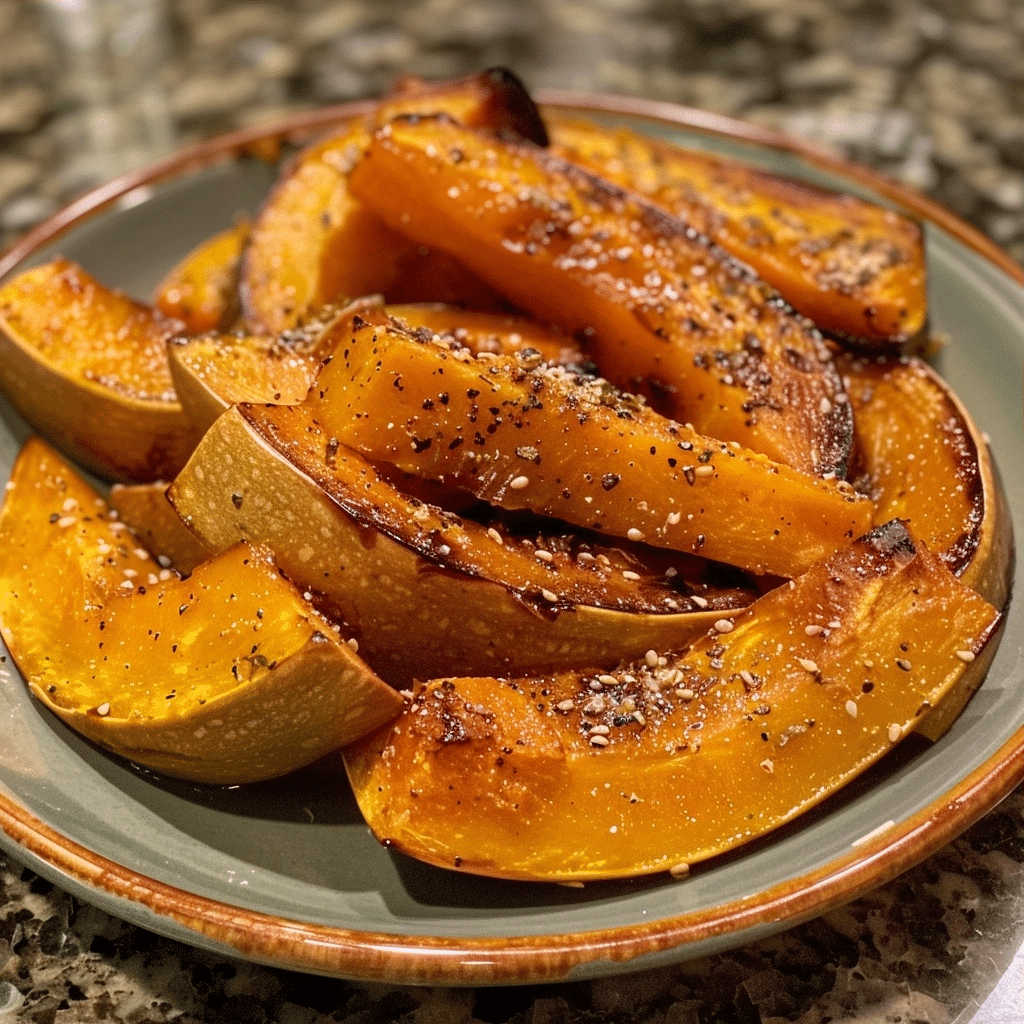
Kabocha squash wedges are a nutrient-dense side dish featuring caramelized, tender flesh encased in a nutty, edible skin. This preparation transforms the dense, sweet Japanese pumpkin into a savory treat with minimal effort. You achieve the perfect texture through high-heat roasting, which highlights the natural sugars of the squash while keeping the edges slightly crisp.
| Prep Time | Cook Time | Total Time | Servings | Difficulty | Cuisine |
|---|---|---|---|---|---|
| 10 minutes | 30 minutes | 40 minutes | 4 | Easy | Japanese-inspired |
Why This Recipe Works
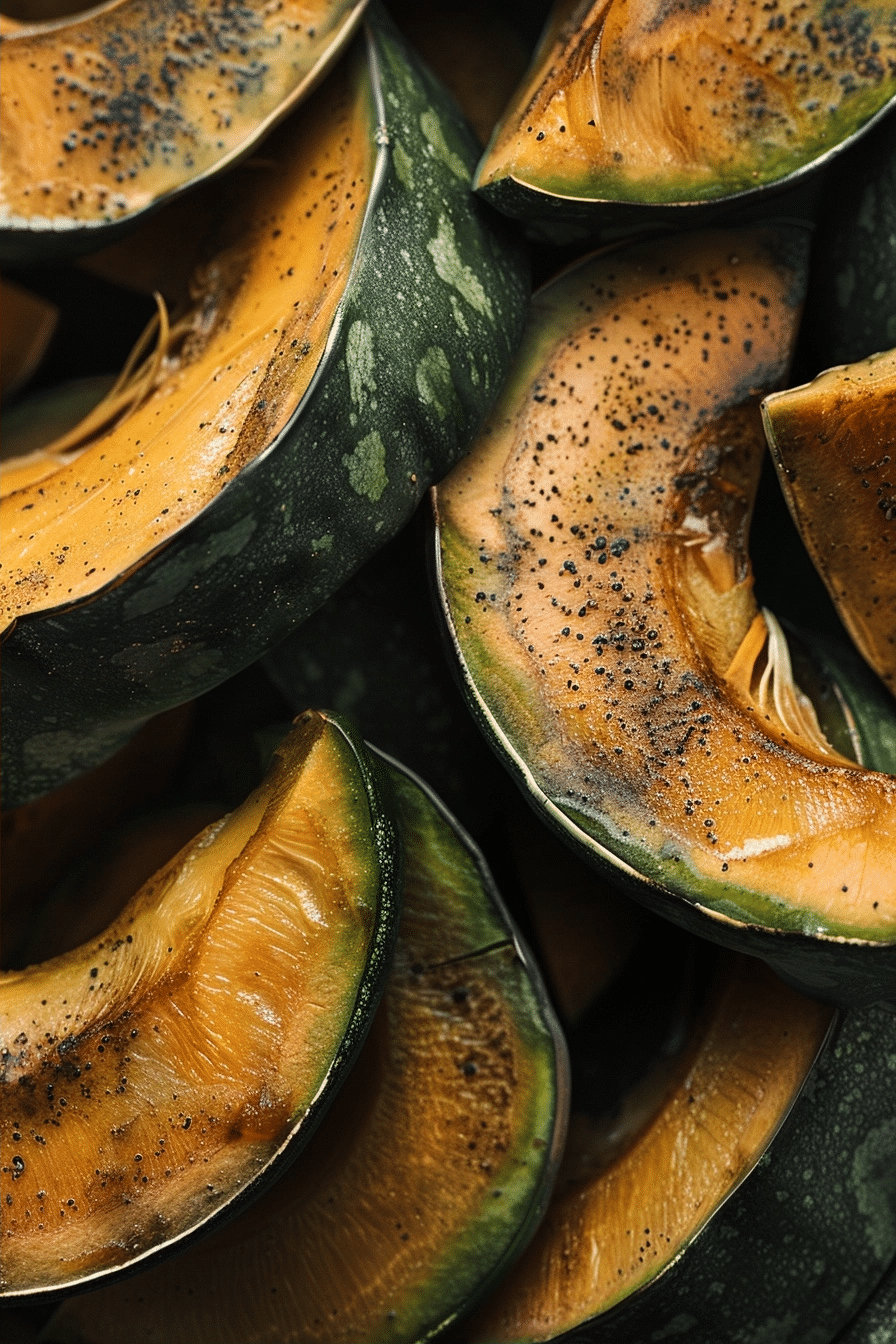
This recipe succeeds because it respects the dense composition of the kabocha squash. Unlike softer varieties like acorn or butternut, kabocha holds its shape exceptionally well under high temperatures. The skin softens enough to remain entirely edible, which adds an earthy contrast to the chestnut-like sweetness of the bright orange interior.
I developed this method to minimize preparation time while maximizing flavor depth. By slicing the squash into thin, uniform wedges, you ensure even roasting without requiring constant monitoring. Simple pantry staples like olive oil, sea salt, and black pepper allow the inherent quality of the seasonal squash to shine without unnecessary complexity.
Ingredients
| Ingredient | Quantity | Notes |
|---|---|---|
| Kabocha Squash | 1 medium | Choose one with dark green, firm skin. |
| Extra Virgin Olive Oil | 3 tablespoons | Use high-quality oil for better flavor. |
| Sea Salt | 1 teaspoon | Fine grain works best for even coating. |
| Black Pepper | 1/2 teaspoon | Freshly ground provides the best aroma. |
| Smoked Paprika | 1 teaspoon | Adds a subtle, woody depth. |
| Garlic Powder | 1/2 teaspoon | Ensures flavor without burning like fresh garlic. |
Step-by-Step Instructions
Preparation Phase
- Wash the outside of the squash thoroughly under cold running water to remove dirt.
- Slice the squash in half vertically using a sharp, heavy-duty chef knife.
- Scoop out the fibrous seeds and pulp using a sturdy metal spoon.
- Cut the squash halves into one-inch thick wedges to ensure consistent roasting.
Roasting Phase
- Preheat your oven to 400 degrees Fahrenheit for optimal caramelization.
- Combine olive oil and all spices in a large mixing bowl.
- Toss the squash wedges in the oil mixture until every piece glows with an even coating.
- Arrange the wedges on a parchment-lined baking sheet, leaving space between each piece.
- Roast the squash for 25 to 30 minutes, flipping halfway through for uniform browning.
Chef Tips for Perfect Results
- Use a heavy, sharp chef knife to safely break through the thick, tough skin of the squash.
- Keep the skin on because it becomes tender and provides essential texture and nutrients to the dish.
- Space the wedges evenly on the baking sheet to allow hot air to circulate and promote browning.
- Test for doneness by piercing the thickest part of a wedge with a fork, which should slide in without resistance.
- Garnish with toasted pumpkin seeds or fresh herbs like parsley after roasting for an added textural crunch.
Common Mistakes to Avoid
- Overcrowding the baking pan causes the squash to steam rather than roast, resulting in a soggy texture.
- Using dull knives makes slicing difficult and increases the risk of injury when handling the hard squash.
- Cutting uneven wedges leads to some pieces burning while others remain raw in the center.
- Ignoring the flip-midway instruction prevents one side from achieving the necessary golden-brown char.
Variations and Substitutions
| Ingredient | Substitution | Impact on Flavor |
|---|---|---|
| Olive Oil | Avocado Oil | Higher smoke point for crisper edges. |
| Smoked Paprika | Cumin | Earthier, more savory profile. |
| Garlic Powder | Onion Powder | Sweeter, more subtle aromatic base. |
| Sea Salt | Miso Paste | Adds a salty, umami-rich depth. |
Serving Suggestions and Pairings
Serve these roasted wedges alongside a grilled chicken breast or a hearty quinoa bowl for a balanced, filling meal. They pair exceptionally well with autumn-themed menus, especially when served alongside a crisp green salad with a tart vinaigrette. For a more sophisticated presentation, plate them as a side for roasted lamb or beef, where the natural sweetness cuts through richer proteins.
Storage and Reheating
| Method | Duration | Instructions |
|---|---|---|
| Refrigerator | 3-4 days | Store in an airtight container. |
| Oven Reheat | 10 minutes | Bake at 350 degrees until warmed through. |
| Air Fryer | 5 minutes | Reheat at 375 degrees to regain crunch. |
Nutritional Information
| Nutrient | Amount per Serving (Approximate values) |
|---|---|
| Calories | 120 kcal |
| Fiber | 4g |
| Protein | 3g |
| Vitamin A | 150% DV |
Frequently Asked Questions
Can I replace kabocha with butternut squash?
You can substitute butternut squash, though it will have a softer texture and a slightly higher water content. Adjust the roasting time downward by five minutes to prevent the butternut squash from becoming too mushy.
How do I know when the wedges are fully roasted?
The wedges are fully roasted when they reach a deep golden brown color and the flesh yields easily to a fork. The edges should appear slightly charred and crispy, which signifies the development of deep, roasted flavors.
What is the best way to troubleshoot soft, mushy wedges?
Ensure your oven reaches the full temperature before adding the squash, as low heat prevents proper caramelization. Avoid steaming the wedges by providing enough space on your baking sheet so that hot air can reach all sides.
Can I prepare the squash ahead of time?
You can pre-cut the wedges and store them in the refrigerator for up to 24 hours before cooking. Roast them immediately before serving for the best texture, as raw cut squash can lose its freshness if stored longer than one day.
What are the best seasonings to enhance the natural sweetness?
The best seasonings for highlighting sweetness include cinnamon, nutmeg, or a touch of maple syrup mixed into the oil. These ingredients complement the nutty, earthy profile of the kabocha squash effectively.
Mastering kabocha squash wedges transforms a simple vegetable into a standout component of any meal. By following these precise techniques, you consistently achieve the perfect balance of tender, sweet flesh and flavorful, caramelized edges. This versatile side dish brings warmth and nutrition to your table, proving that seasonal cooking requires only quality ingredients and patience. Enjoy the satisfying, wholesome taste of these perfectly roasted wedges during your next dinner gathering.
Print
Roasted Kabocha Squash Wedges
- Total Time: 40
- Yield: 4 servings 1x
- Diet: Vegan, Gluten-Free
Description
These roasted kabocha squash wedges are a nutrient-dense side dish featuring caramelized, tender flesh encased in a nutty, edible skin. The Japanese pumpkin’s chestnut-like sweetness is enhanced by high-heat roasting and a savory blend of smoked paprika and garlic powder. This simple, elegant preparation requires minimal effort, making it the perfect side for any meal.
Ingredients
1 medium Kabocha squash
3 tablespoons extra virgin olive oil
1 teaspoon sea salt
1/2 teaspoon black pepper
1 teaspoon smoked paprika
1/2 teaspoon garlic powder
Instructions
Preheat oven to 400 degrees Fahrenheit.
Wash the outside of the squash thoroughly.
Slice the squash in half vertically.
Scoop out seeds and fibrous pulp.
Cut squash halves into 1-inch thick wedges.
In a large bowl, whisk together olive oil, salt, pepper, paprika, and garlic powder.
Toss the squash wedges in the oil mixture until evenly coated.
Arrange wedges on a parchment-lined baking sheet, ensuring space between them.
Roast for 25 to 30 minutes until tender and caramelized.
Notes
Ensure the skin is scrubbed well as it is edible and adds texture. Leaving space on the baking sheet is crucial to achieve a roasted crisp rather than steaming the wedges.
- Prep Time: 10
- Cook Time: 30
- Category: Recipes
- Method: Roasting
- Cuisine: Japanese-inspired
Nutrition
- Serving Size: 1/4 of the squash
- Calories: 145
- Sugar: 4g
- Sodium: 450mg
- Fat: 10g
- Saturated Fat: 1.5g
- Carbohydrates: 14g
- Fiber: 3g
- Protein: 2g
- Cholesterol: 0mg