
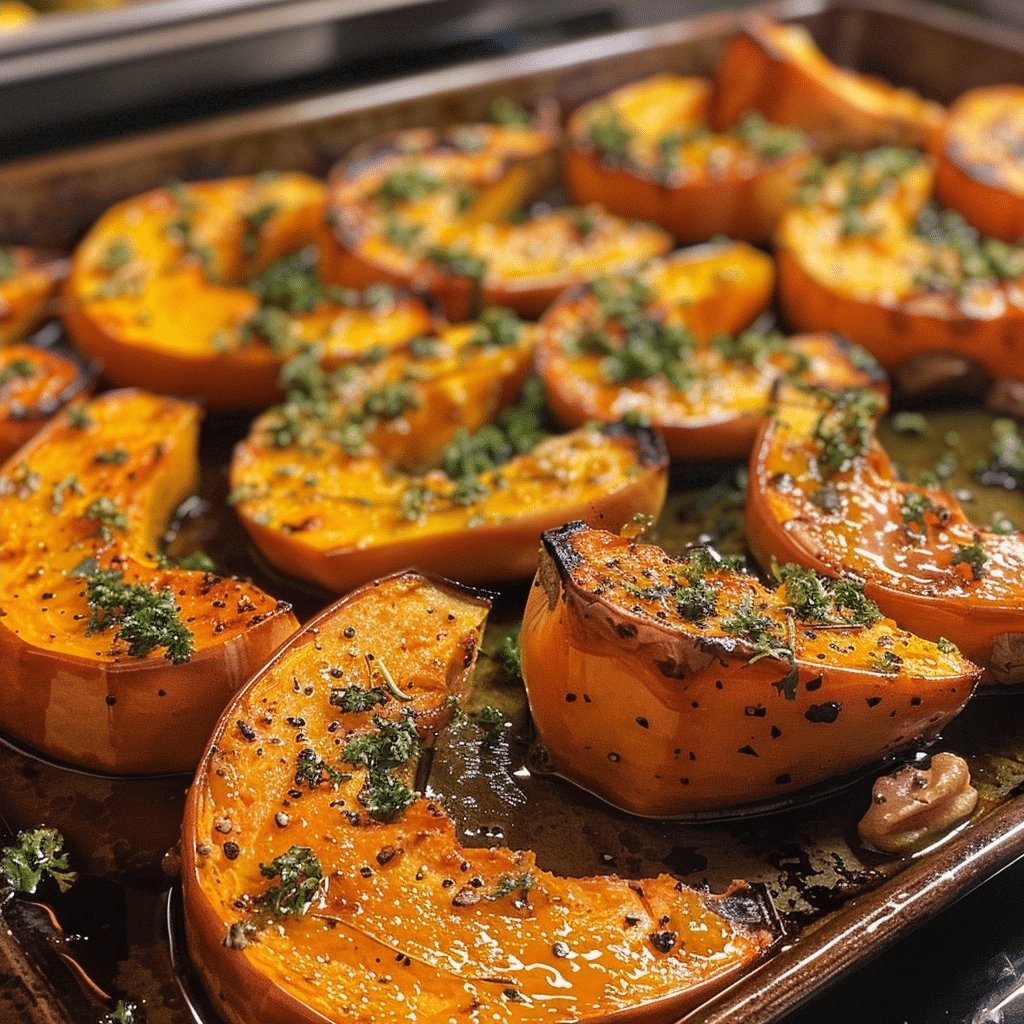
Roasted Honeynut Squash Halves provide a sweet, nutty, and perfectly caramelized plant-based side dish for any weeknight meal or holiday gathering. This compact squash variety offers a denser texture and richer flavor profile than traditional butternut squash. Home cooks love this specific preparation because it requires minimal effort while yielding maximum aesthetic and culinary impact. You transform simple produce into a gourmet experience using only a few pantry staples.
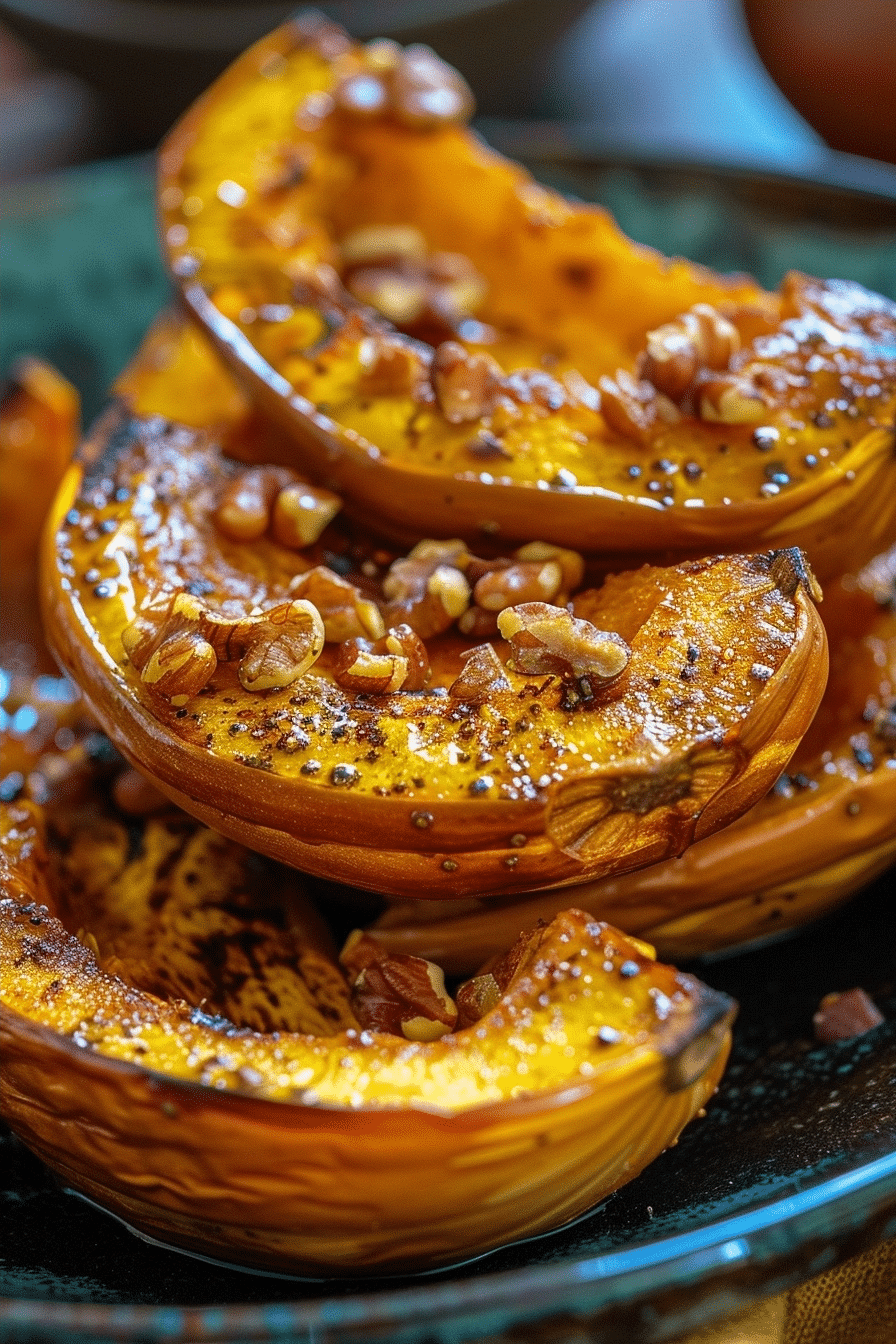
Recipe Overview
| Metric | Details |
|---|---|
| Prep Time | 10 minutes |
| Cook Time | 30 minutes |
| Total Time | 40 minutes |
| Servings | 4 servings |
| Difficulty | Easy |
| Cuisine | Modern American |
Why This Recipe Works
This recipe works because the small size of the Honeynut squash allows it to roast quickly while retaining a firm structure. I discovered that by scoring the flesh, the seasonings penetrate deep into the vegetable, ensuring flavor in every single bite. The natural sugars caramelize rapidly under high heat, creating a candy-like glaze that pairs beautifully with savory herbs.
You appreciate this dish because it demands almost no advanced culinary technique. I prefer this method over cubed squash because the skin remains intact, which simplifies the serving process. This recipe serves as a versatile anchor for your table, complementing everything from roasted chicken to hearty grain bowls.
Ingredients
| Ingredient | Quantity | Notes |
|---|---|---|
| Honeynut Squash | 2 medium | Look for firm skin |
| Olive Oil | 2 tablespoons | Extra virgin preferred |
| Maple Syrup | 1 tablespoon | Pure grade A |
| Sea Salt | 1/2 teaspoon | Kosher salt works too |
| Black Pepper | 1/4 teaspoon | Freshly cracked |
| Fresh Thyme | 1 teaspoon | Dried works if needed |
Step-by-Step Instructions
Preparation Phase
- Preheat your oven to 400 degrees Fahrenheit to ensure proper caramelization.
- Wash the exterior of the squash thoroughly to remove any field dirt.
- Slice each Honeynut squash in half lengthwise using a heavy, sharp chef knife.
- Scoop out the seeds and stringy pulp using a metal spoon.
Roasting Phase
- Score the flesh of the squash in a diamond pattern without cutting through the skin.
- Brush the cut surfaces evenly with olive oil and maple syrup.
- Sprinkle the salt, pepper, and fresh thyme leaves over the squash halves.
- Place the squash cut-side up on a parchment-lined baking sheet.
- Roast the squash for 25 to 30 minutes until tender and golden brown.
Chef Tips for Perfect Results
- Choose squash with a deep, dark orange skin color to ensure maximum sweetness.
- Use a sharp serrated knife to cut through the hard skin safely and precisely.
- Arrange the squash with space between pieces to prevent steaming instead of roasting.
- Check for doneness by piercing the flesh with a fork; it should offer no resistance.
- Add a pinch of cayenne pepper if you prefer a subtle kick to contrast the sweetness.
Common Mistakes to Avoid
Overcrowding the baking sheet prevents air circulation, which results in mushy rather than caramelized squash. Always use a large enough tray to keep the pieces separated. Another common error involves cutting the squash into uneven halves, leading to inconsistent cooking times; use a steady hand to divide the squash symmetrically. Do not skip the scoring step, as the seasoning will slide off the surface without those small grooves to hold it in place. Finally, avoid high-heat broiling, which burns the sugars before the vegetable fully softens.
Variations and Substitutions
| Ingredient | Substitution | Impact on Flavor |
|---|---|---|
| Maple Syrup | Honey | Adds a slightly floral sweetness |
| Olive Oil | Melted Ghee | Provides a richer, buttery profile |
| Thyme | Fresh Rosemary | Introduces a piney, bold aroma |
| Sea Salt | Smoked Paprika | Adds an earthy, campfire depth |
Serving Suggestions and Pairings
Serve these squash halves as the centerpiece for a vegetarian Thanksgiving main course. Pair the dish with quinoa pilaf or a crisp kale salad to balance the rich, sweet notes. These also work exceptionally well alongside grilled lamb chops or pan-seared salmon fillets for a sophisticated dinner party menu.
Storage and Reheating
| Method | Duration | Instructions |
|---|---|---|
| Fridge | 4 days | Store in an airtight container |
| Oven | 10 minutes | Reheat at 350 degrees Fahrenheit |
| Microwave | 2 minutes | Cover with a damp paper towel |
Nutritional Information
Approximate values per serving.
| Nutrient | Amount per Serving |
|---|---|
| Calories | 120 |
| Protein | 2g |
| Fat | 7g |
| Carbohydrates | 15g |
| Fiber | 3g |
Frequently Asked Questions
Can I eat the skin of a Honeynut squash?
Yes, the skin of a Honeynut squash is very thin and becomes tender when roasted, so you can eat it without any issues. Eating the skin adds extra texture and nutrition to your meal.
How do I know if my squash is perfectly roasted?
Your squash is perfectly roasted when the edges appear dark brown and caramelized, and a knife slides through the flesh with zero effort. The natural sugars inside the squash should be bubbling slightly.
What should I do if the squash is too large?
Honeynut squash are naturally bred to be small, but if you have a larger one, simply increase the roasting time by 5 to 10 minutes. Test the thickness of the flesh to determine if it requires more heat.
Can I prepare these squash halves in advance?
You can definitely prepare the squash up to one day in advance by roasting them halfway through. Finish the final 10 minutes of roasting just before you serve them to ensure a fresh, hot dish.
What is the best way to spice these for savory profiles?
You can substitute the maple syrup with garlic powder, cumin, or chili flakes to create a strictly savory side dish. This adjustment works perfectly when serving the squash alongside spicy main courses.
Roasted Honeynut Squash Halves stand out as an elegant solution for busy cooks who prioritize nutrition. By following these simple steps, you consistently achieve caramelized, tender results that satisfy every diner. Experiment with different herb combinations to make this recipe your own signature side dish. Enjoy the natural sweetness of this seasonal harvest during your next dinner.
Print
Roasted Honeynut Squash Halves
- Total Time: 40
- Yield: 4 servings 1x
- Diet: Vegan
Description
These Roasted Honeynut Squash Halves are a sweet, nutty, and perfectly caramelized plant-based side dish. Honeynut squash is a compact variety with a denser texture and richer flavor than traditional butternut. By scoring the flesh and roasting with a glaze of maple syrup and fresh thyme, you achieve a candy-like finish that pairs beautifully with any main course. It is an effortless, gourmet-style vegetable preparation that serves as the perfect centerpiece for both weeknight dinners and holiday tables.
Ingredients
2 medium Honeynut squash
2 tablespoons extra virgin olive oil
1 tablespoon pure maple syrup
1/2 teaspoon sea salt
1/4 teaspoon freshly cracked black pepper
1 teaspoon fresh thyme leaves
Instructions
Preheat your oven to 400 degrees Fahrenheit.
Wash the exterior of the squash thoroughly.
Slice each Honeynut squash in half lengthwise.
Scoop out the seeds and stringy pulp using a metal spoon.
Score the flesh of the squash in a diamond pattern without cutting through the skin.
Brush the cut surfaces evenly with olive oil and maple syrup.
Sprinkle the salt, pepper, and fresh thyme leaves over the squash halves.
Place the squash cut-side up on a parchment-lined baking sheet.
Roast in the oven for 30 minutes until the flesh is tender and the edges are golden brown.
Notes
Ensure the squash skin is scrubbed clean as it is edible and adds texture. If you do not have fresh thyme, you can substitute with 1/4 teaspoon of dried thyme. These leftovers keep well in the refrigerator for up to three days in an airtight container.
- Prep Time: 10
- Cook Time: 30
- Category: Recipes
- Method: Roasting
- Cuisine: Modern American
Nutrition
- Serving Size: 1/2 squash
- Calories: 115
- Sugar: 6g
- Sodium: 310mg
- Fat: 7g
- Saturated Fat: 1g
- Carbohydrates: 14g
- Fiber: 3g
- Protein: 2g
- Cholesterol: 0mg