
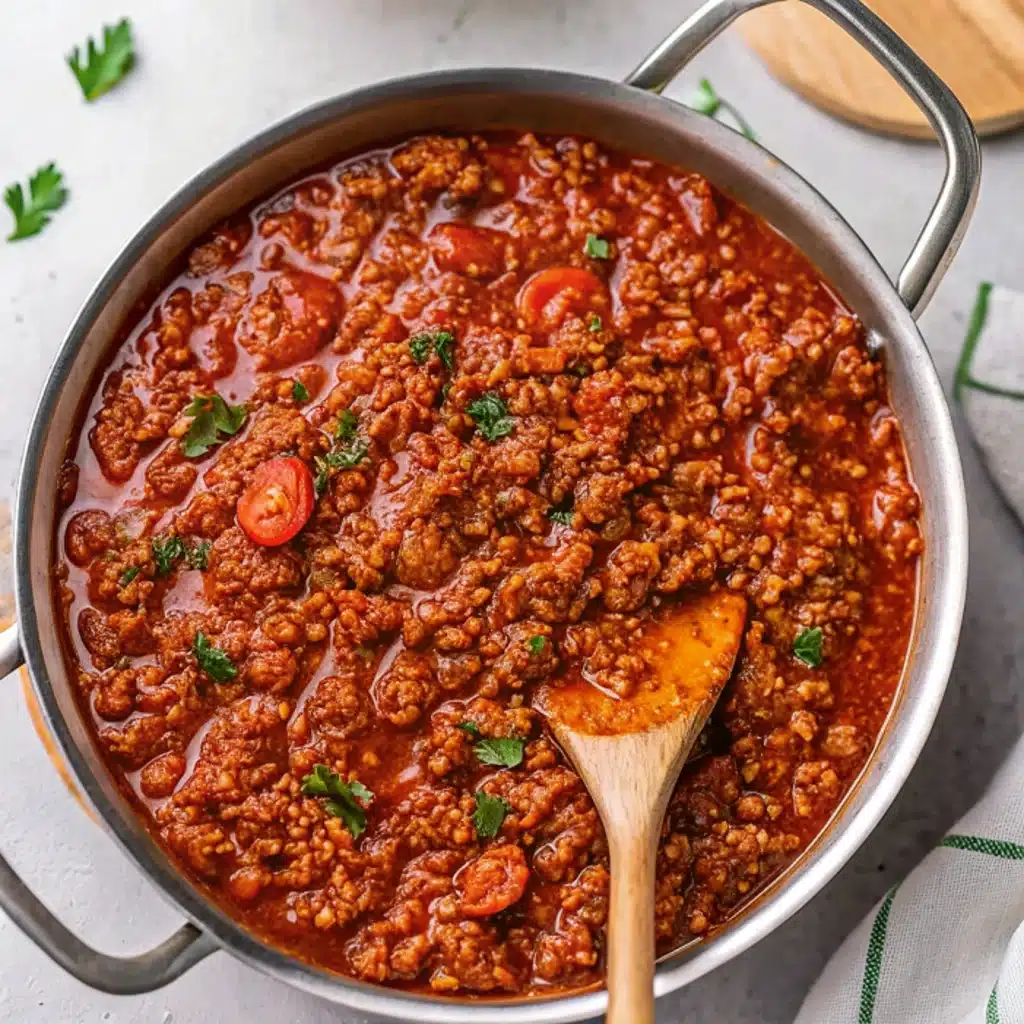
Why You’ll Love This Recipe
This isn’t just another meat sauce; this is *the* meat sauce. My recipe for How to Make Bolognese Sauce delivers a depth of flavor that a quick weeknight ragu simply can’t match. You’ll love its velvety texture, the rich umami from the slow-cooked beef, and the subtle sweetness of the tomatoes and vegetables.
This Bolognese isn’t watery or overly acidic; instead, it’s a perfectly balanced, hearty sauce that clings beautifully to pasta, creating an incredibly satisfying meal. It’s the ultimate comfort food, perfect for family dinners, cozy nights in, or even impressing guests. Plus, it’s a fantastic make-ahead dish, tasting even better the next day.
You invest a little time upfront, and your reward is a versatile, flavorful sauce that makes several delicious meals. Truly, understanding How to Make Bolognese Sauce means unlocking a culinary superpower.
Ingredients You’ll Need
Gathering your ingredients is the first step on your journey to mastering How to Make Bolognese Sauce. Quality matters here, so choose fresh produce and good-quality ground beef.
* 2 tablespoons olive oil
* 1 large yellow onion, finely diced
* 2 medium carrots, peeled and finely diced
* 2 celery stalks, finely diced
* 4 cloves garlic, minced
* 1.5 pounds ground beef (80/20 lean, for best flavor)
* 1 teaspoon salt, plus more to taste
* ½ teaspoon black pepper, plus more to taste
* ¼ cup tomato paste
* ½ cup dry red wine (such as Merlot or Cabernet Sauvignon) OR ½ cup beef broth OR ½ cup unsweetened grape juice
* 1 cup whole milk
* 2 (28-ounce) cans crushed tomatoes (good quality, like San Marzano)
* 1 cup beef broth
* 2 bay leaves
* ½ teaspoon dried oregano
* ¼ teaspoon freshly grated nutmeg
* Fresh basil or parsley, for garnish (optional)
* Parmesan cheese, for serving (optional)
Substitutions & Variations
This recipe for How to Make Bolognese Sauce is wonderfully adaptable. Feel free to play with ingredients to suit your taste or what you have on hand.
* Meat: While ground beef is traditional, you can easily use ground lamb for a richer flavor. For a lighter version, combine ground chicken or turkey with a little ground beef to maintain some richness. For a completely vegetarian option, use finely chopped mushrooms (cremini or shiitake work well) and lentils in place of the meat, adjusting the cooking time accordingly.
You might need to add a bit of smoked paprika or soy sauce for extra umami.
* Dairy: Whole milk adds a lovely creaminess and helps tenderize the meat. If you avoid dairy, you can omit it or use a non-dairy milk alternative like full-fat oat milk or unsweetened almond milk.
Just ensure it’s unflavored.
* Wine: Red wine is classic for deglazing and adding depth. If you prefer to avoid alcohol, an equal amount of beef broth or unsweetened grape juice works beautifully.
A splash of balsamic vinegar at the end of cooking can also mimic some of the wine’s acidity and complexity.
* Vegetables: Don’t have celery or carrots? You can still make a delicious Bolognese.
Bell peppers (red or yellow) can add a different sweetness, or you can simply increase the amount of onion. Leeks, finely chopped, also make a nice addition to the soffritto base.
* Herbs & Spices: While bay leaves and nutmeg are essential for an authentic flavor profile, you can experiment with other herbs.
A sprig of fresh rosemary or thyme added during the simmer will infuse the sauce with wonderful aromas. A pinch of red pepper flakes adds a subtle kick.
* Tomato Paste: For an even deeper flavor, try roasting the tomato paste in the oven for about 10-15 minutes at 350°F (175°C) before adding it to the pot.
This intensifies its sweetness and umami.
* Gluten-Free: This How to Make Bolognese Sauce recipe is naturally gluten-free. Just ensure you serve it with your favorite gluten-free pasta or other suitable accompaniments.
This recipe for How to Make Bolognese Sauce is wonderfully adaptable. If you’re looking for a comforting dish that pairs well with Bolognese, check out The Best Homemade Lasagna for a delightful addition to your meal.
Step-by-Step Instructions
Mastering How to Make Bolognese Sauce is a process, not a race. Follow these steps for a truly memorable dish.
1. Prepare Your Soffritto: Heat the olive oil in a large, heavy-bottomed pot or Dutch oven over medium heat. Add the finely diced onion, carrots, and celery.
Sauté gently for 8-10 minutes, stirring occasionally, until the vegetables soften and become translucent. Do not rush this step; building the flavor foundation is crucial.
2. Add Garlic and Brown Meat: Stir in the minced garlic and cook for another minute until fragrant. Push the vegetables to one side of the pot. Add the ground beef to the other side.
Break up the meat with a wooden spoon and brown it thoroughly, cooking until no pink remains. Season the meat generously with 1 teaspoon of salt and ½ teaspoon of black pepper as it browns.
3. Drain Excess Fat (Optional): If your ground beef released a lot of fat, carefully tilt the pot and spoon out any excess, leaving about 1-2 tablespoons for flavor.
4. Incorporate Tomato Paste: Stir the tomato paste into the browned meat and vegetables.
Cook for 2-3 minutes, stirring constantly, allowing the tomato paste to caramelize slightly. This step deepens the tomato flavor significantly.
5.
Deglaze with Wine/Broth: Pour in the red wine (or broth/grape juice) and scrape the bottom of the pot with your wooden spoon, loosening any browned bits. Let it simmer vigorously for 3-5 minutes until the liquid reduces by about half.
6. Add Milk and Simmer: Pour in the whole milk. Bring it to a gentle simmer and cook until the milk is almost completely absorbed by the meat, about 10-15 minutes. This step is key for a tender, creamy sauce.
7. Introduce Tomatoes and Broth: Stir in the crushed tomatoes, beef broth, bay leaves, dried oregano, and grated nutmeg. Bring the sauce to a gentle simmer.
8. The Long Simmer: Reduce the heat to low, cover the pot partially (leaving a small gap for steam to escape), and let your Bolognese sauce simmer for a minimum of 2.5 to 3 hours, or even longer (up to 4-5 hours) for maximum flavor development. Stir occasionally to prevent sticking.
The longer it simmers, the richer and more complex your Bolognese will become. You are truly learning How to Make Bolognese Sauce when you embrace this patient simmering.
9. Finish and Serve: Remove the bay leaves. Taste the sauce and adjust seasonings (salt and pepper) as needed. The sauce should be thick, rich, and deeply flavorful. Serve your magnificent Bolognese sauce over your favorite pasta, garnished with fresh basil or parsley and a generous sprinkle of Parmesan cheese.
Pro Tips for Success
These insights will elevate your homemade Bolognese from good to absolutely unforgettable, truly teaching you How to Make Bolognese Sauce like a pro.
* Finely Dice Your Soffritto: The onion, carrot, and celery should be uniformly and very finely diced. This ensures they melt into the sauce, providing flavor without noticeable chunks. A food processor can help, but avoid over-processing into a paste.
* Don’t Rush the Browning: Brown the meat thoroughly until it has a nice, caramelized crust. This creates deep, savory flavors (the Maillard reaction) that are essential for Bolognese. Breaking up the meat into small pieces as it cooks helps with even browning.
* Caramelize the Tomato Paste: Cooking the tomato paste for a few minutes before adding liquids transforms its flavor, making it sweeter and more concentrated. It’s a small step that yields big results in your How to Make Bolognese Sauce.
* The Milk Step is Crucial: Don’t skip adding the milk.
It tenderizes the meat, mellows the acidity of the tomatoes, and contributes to the sauce’s silky texture. Allow it to absorb fully.
* Simmer Low and Slow: Patience is your best friend when learning How to Make Bolognese Sauce.
A long, gentle simmer allows all the flavors to meld and develop into a rich, complex sauce. Keep the heat very low to prevent scorching and ensure a slow, steady reduction. Stir every 30-45 minutes.
* Taste and Adjust: Always taste your sauce before serving. Seasoning is a personal preference. You might need more salt, pepper, or even a tiny pinch of sugar if your tomatoes are particularly acidic.
* Pasta Choice Matters: Bolognese is traditionally served with wide, flat pasta like tagliatelle or pappardelle, as the broad surface holds the rich sauce beautifully. Tubes like rigatoni or even spaghetti can work, but the wider noodles truly shine.
* Leftovers are Gold: Bolognese often tastes even better the next day, after the flavors have had more time to deepen and meld. Make a large batch!
These insights will elevate your homemade Bolognese from good to absolutely unforgettable, truly teaching you How to Make Bolognese Sauce like a pro. To further enhance your Italian culinary skills, explore our Classic Lasagna Recipe with Ricotta Cheese .
Storage & Reheating Tips
One of the best things about mastering How to Make Bolognese Sauce is its excellent make-ahead potential.
* Refrigeration: Once your Bolognese has cooled completely, transfer it to airtight containers. It will keep beautifully in the refrigerator for up to 3-4 days. The flavors actually deepen overnight, making for an even more delicious meal.
* Freezing: Bolognese sauce freezes exceptionally well. Portion cooled sauce into freezer-safe containers, heavy-duty freezer bags, or even ice cube trays for smaller servings. It will maintain its quality in the freezer for up to 3 months.
Thaw frozen sauce overnight in the refrigerator or gently reheat from frozen on the stovetop over low heat, stirring frequently.
* Reheating:
* Stovetop: The best way to reheat Bolognese is on the stovetop. Transfer the sauce to a saucepan and heat gently over medium-low heat, stirring occasionally, until it’s warmed through.
If the sauce seems too thick, you can add a splash of water or beef broth to reach your desired consistency.
* Microwave: For individual portions, you can microwave the sauce in a microwave-safe bowl, stirring every minute or so until hot.
Be careful not to overheat, as it can dry out the sauce.
* Oven: If reheating a larger batch or a dish like lasagna with Bolognese, cover it with foil and bake at 350°F (175°C) until heated through, about 20-30 minutes, removing the foil for the last 10 minutes if desired.
What to Serve With This Recipe
Knowing How to Make Bolognese Sauce is only half the battle; knowing how to serve it perfectly completes the experience.
* Classic Pasta Pairings:
* Tagliatelle: This wide, flat egg pasta is the traditional choice, perfect for clinging to the rich sauce.
* Pappardelle: Even wider than tagliatelle, pappardelle is fantastic for scooping up every bit of that meaty goodness.
* Fettuccine: Another excellent choice, similar to tagliatelle.
* Rigatoni or Paccheri: These sturdy, wide tube pastas hold the sauce inside their ridges and crevices.
* Spaghetti or Linguine: While not traditional, these popular choices are still delicious with Bolognese.
* Beyond Pasta:
* Creamy Polenta: Spoon the rich Bolognese over a bed of warm, cheesy polenta for a comforting, hearty meal.
* Gnocchi: Soft potato gnocchi provides a tender contrast to the robust sauce.
* Lasagna: Bolognese is the quintessential meat sauce for a layered lasagna.
* Zucchini Noodles or Spaghetti Squash: For a lighter, lower-carb option, serve Bolognese over spiralized zucchini or roasted spaghetti squash.
* Accompaniments:
* Crusty Bread: Essential for soaking up any leftover sauce on your plate!
* Simple Green Salad: A light, fresh salad with a vinaigrette dressing provides a refreshing contrast to the richness of the Bolognese.
* Garlic Bread: A classic and always welcome side.
* Roasted Vegetables: Asparagus, broccoli, or green beans complement the meal beautifully.
Knowing How to Make Bolognese Sauce is only half the battle; knowing how to serve it perfectly completes the experience. For a delightful sweet treat after your meal, try making some Chocolate Hazelnut Cookies that will impress your guests.
FAQs
Here are some common questions I hear about How to Make Bolognese Sauce.
How long should Bolognese sauce simmer?
For the best flavor, your Bolognese sauce should simmer for at least 2.5 to 3 hours, and ideally up to 4-5 hours. This long, slow cooking process is critical for tenderizing the meat, allowing the flavors to meld, and developing that signature rich, complex taste. Rushing the simmer will result in a less flavorful sauce, so patience is key when learning How to Make Bolognese Sauce.
Can I freeze Bolognese sauce?
Absolutely! Bolognese sauce freezes beautifully. Once it’s completely cooled, transfer it to airtight, freezer-safe containers or heavy-duty freezer bags.
It will keep well in the freezer for up to 3 months. Thaw it overnight in the refrigerator before gently reheating on the stovetop. This makes it an excellent meal prep option, making it easier to enjoy your homemade How to Make Bolognese Sauce anytime.
What makes authentic Bolognese sauce different from a basic meat sauce?
Authentic Bolognese sauce is distinguished by several key elements. It starts with a soffritto (onion, carrot, celery), includes milk for tenderizing the meat and mellowing acidity, and often red wine for depth. The meat is finely ground and thoroughly browned.
Crucially, it undergoes a long, slow simmer, allowing flavors to deepen and create a very thick, rich sauce that isn’t overly tomato-forward. A basic meat sauce might skip these steps, use more tomato, and cook for a shorter period. Mastering How to Make Bolognese Sauce means embracing these nuances.
Can I make Bolognese without wine?
Yes, you certainly can make a delicious Bolognese without wine. While red wine adds complexity and helps deglaze the pan, you can substitute it with an equal amount of beef broth or even unsweetened grape juice. These alternatives will still contribute liquid for deglazing and add depth to your sauce.
A splash of balsamic vinegar added at the end can also mimic some of the wine’s tangy notes. The key to How to Make Bolognese Sauce is still the long simmer and robust flavors.
Why is my Bolognese sauce watery?
If your Bolognese sauce is watery, it likely hasn’t simmered long enough. The long simmering process allows the liquids to reduce and the flavors to concentrate, resulting in a thick, rich sauce. Ensure your pot is partially covered, allowing some steam to escape.
If it’s still too thin after sufficient simmering, you can uncover it completely for the last 30 minutes to an hour to allow more liquid to evaporate. Avoid adding extra liquids unless the sauce becomes too thick. This helps you achieve the perfect consistency for your How to Make Bolognese Sauce.
Bolognese sauce, known as ‘ragù alla Bolognese’ in Italy, is a traditional Italian meat-based sauce that exemplifies the essence of slow-cooked flavor. This hearty dish is often served with pasta and is celebrated for its rich, deep flavors that develop over time; learn more about its history and variations through this Italian culinary exploration.
Nutrition Information (per serving)
Approximate values per serving (based on 6 servings, sauce only):
| Nutrient | Amount |
|---|---|
| Calories | 450 kcal |
| Total Fat | 30g |
| Saturated Fat | 12g |
| Cholesterol | 90mg |
| Sodium | 850mg |
| Total Carbohydrates | 18g |
| Dietary Fiber | 4g |
| Total Sugars | 10g |
| Protein | 28g |
| Vitamin A | 50% DV |
| Vitamin C | 20% DV |
| Calcium | 15% DV |
| Iron | 25% DV |
Please note: Nutritional information is an estimate and can vary significantly based on specific ingredients, preparation methods, and portion sizes. This does not include pasta or cheese.
Print
How to Make Bolognese Sauce
- Total Time: 3 hours 20 mins
- Yield: 6 servings 1x
- Diet: Gluten Free
Description
A rich, slow-simmered meat sauce that delivers a depth of flavor, perfect for coating pasta. This Bolognese sauce is hearty, satisfying, and a quintessential comfort food.
Ingredients
2 tablespoons Olive Oil
1 large Yellow Onion, finely diced
2 medium Carrots, peeled and finely diced
2 Celery Stalks, finely diced
4 cloves Garlic, minced
1.5 pounds Ground Beef (80/20 lean)
1 teaspoon Salt, plus more to taste
½ teaspoon Black Pepper, plus more to taste
¼ cup Tomato Paste
½ cup Dry Red Wine or Beef Broth or Unsweetened Grape Juice
1 cup Whole Milk
2 (28-ounce) cans Crushed Tomatoes
1 cup Beef Broth
2 Bay Leaves
½ teaspoon Dried Oregano
¼ teaspoon Freshly Grated Nutmeg
Fresh Basil or Parsley, for garnish (optional)
Parmesan Cheese, for serving (optional)
Instructions
- Heat the olive oil in a large, heavy-bottomed pot over medium heat. Add the onions, carrots, and celery, sautéing until softened
- Stir in the garlic and cook for another minute. Push vegetables to one side and add the ground beef. Brown the meat thoroughly, seasoning with salt and pepper
- Drain excess fat if necessary, leaving some for flavor
- Stir in the tomato paste and cook for a few minutes to caramelize
- Deglaze the pot with wine (or broth/grape juice), scraping up any browned bits
- Add the milk and simmer until absorbed
- Introduce crushed tomatoes, beef broth, bay leaves, oregano, and nutmeg. Bring to a simmer
- Cover partially and simmer for 2.5 to 3 hours, stirring occasionally
- Remove bay leaves, adjust seasonings, and serve over pasta with fresh basil and parmesa
Notes
Allow the Bolognese sauce to sit for a few hours or overnight for enhanced flavors.
- Prep Time: 20 mins
- Cook Time: 3 hours
- Category: Dinner
- Method: Simmering
- Cuisine: Italian
Nutrition
- Serving Size: 1 bowl
- Calories: 450 kcal
- Sugar: 10g
- Sodium: 850mg
- Fat: 30g
- Saturated Fat: 12g
- Unsaturated Fat: 13g
- Trans Fat: 0g
- Carbohydrates: 18g
- Fiber: 4g
- Protein: 28g
- Cholesterol: 90mg