
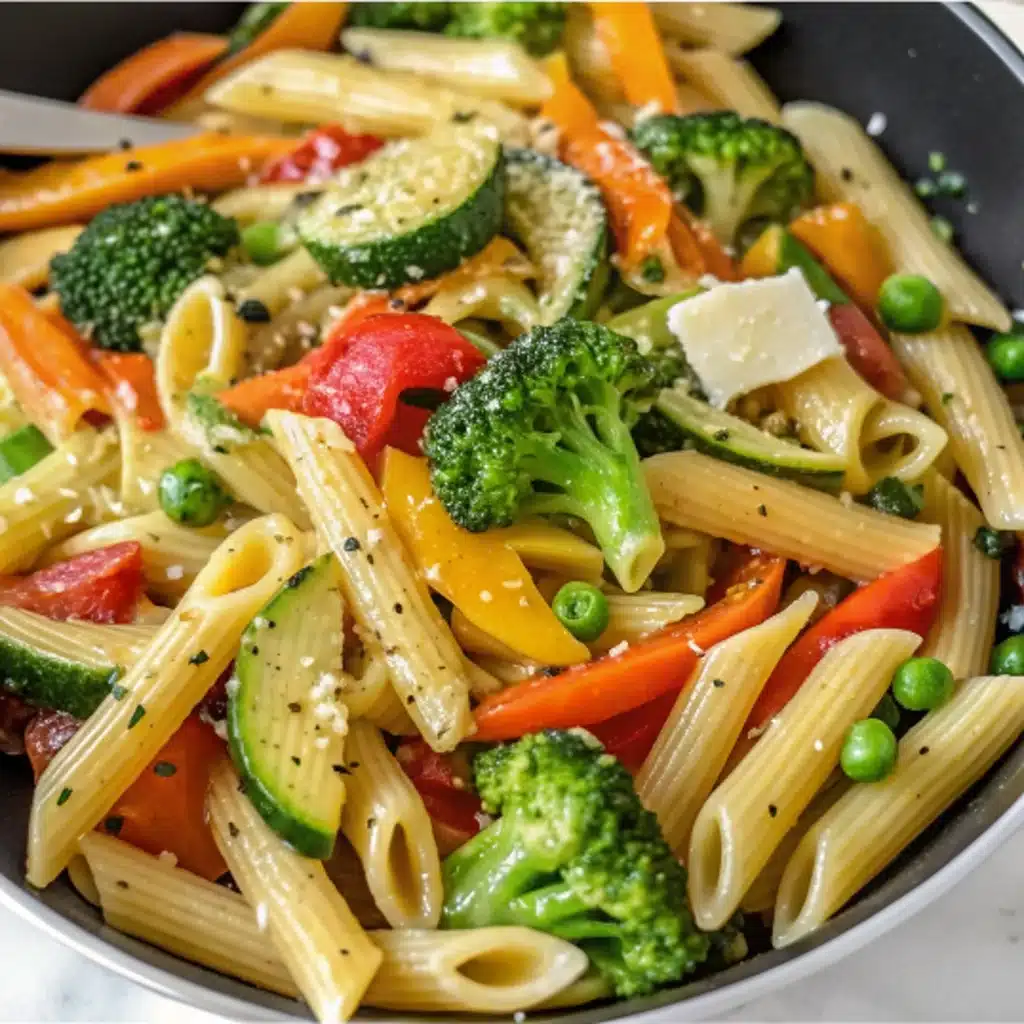
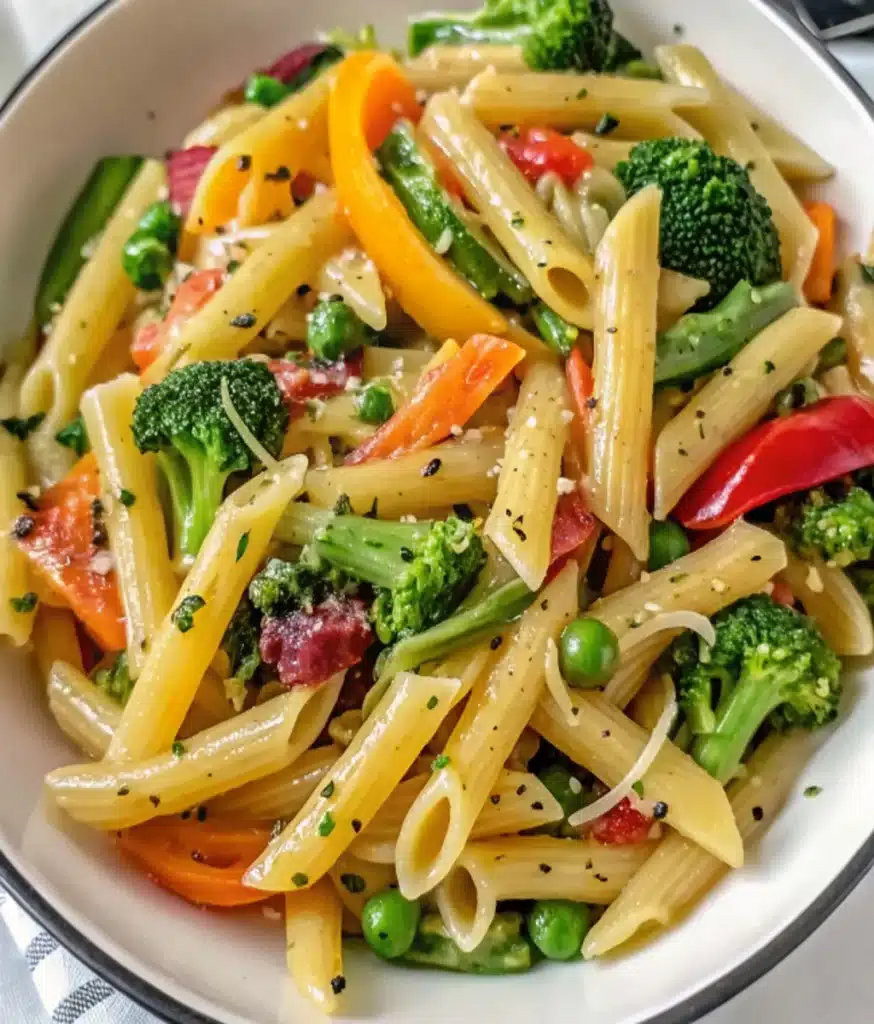
Why You’ll Love This Recipe
You’re looking for a meal that feels both indulgent and incredibly fresh, right? This Pasta Primavera recipe delivers exactly that. Firstly, it’s incredibly versatile.
You can easily adapt it to whatever fresh vegetables you have on hand, making it a fantastic way to use up garden produce or farmers’ market finds. Furthermore, it’s remarkably quick to prepare; most of the magic happens while the pasta boils. This means a delicious, nutrient-packed dinner hits your table in under 30 minutes, perfect for busy weeknights.
Moreover, the bright, clean flavors of this primavera pasta appeal to almost everyone, even picky eaters, especially when you customize the vegetable selection. You get a fantastic blend of fiber, vitamins, and satisfying carbohydrates, making this Pasta Primavera a genuinely healthy option that never compromises on taste. Finally, making this Pasta Primavera from scratch empowers you to control every ingredient, ensuring a meal free from unwanted additives.
[ra_display_video url=”https://www.youtube.com/watch?v=Q40lfAPMQZU”]
Pasta Primavera
- Total Time: 30 mins
- Yield: 4 servings 1x
- Diet: Vegetarian
Description
Pasta Primavera is a celebration of fresh, vibrant produce, combining perfectly cooked vegetables with al dente pasta in a delightful dish that lifts your spirits.
Ingredients
1 pound (450g) short pasta
3 tablespoons Olive oil
1 large Onion, finely chopped
2 cloves Garlic, minced
1 cup (150g) Broccoli florets
1 cup (120g) Carrots, thinly sliced
1 cup (120g) Asparagus, cut into 1-inch pieces
1 cup (100g) Cherry tomatoes, halved
1/2 cup (70g) Frozen peas
1/2 cup (70g) Yellow bell pepper, diced
1/2 cup (70g) Zucchini, diced
1/2 cup (120ml) Vegetable broth
1/4 cup (60ml) Heavy cream (optional)
1/4 cup (25g) Grated Parmesan cheese
1/4 cup (15g) Fresh parsley, chopped
Salt and freshly ground black pepper to taste
Optional: a pinch of red pepper flakes
Instructions
- Boil the pasta according to package directions until al dente
- Sauté onion in olive oil until softened, then add garlic and cook until fragrant
- Add broccoli and carrots, sauté until softened
- Incorporate asparagus, bell pepper, and zucchini; cook until tender-crisp
- Finish with cherry tomatoes and peas, cooking until heated through
- Pour in vegetable broth and stir in heavy cream if using; seaso
- Toss the sauce with the cooked pasta, then mix in cheese and herbs
- Serve immediately with additional cheese on the side
Notes
Feel free to swap out vegetables and customize to your preferences.
For a lighter version, omit the cream or use a plant-based alternative.
- Prep Time: 10 mins
- Cook Time: 20 mins
- Category: Dinner
- Method: Sautéing
- Cuisine: Italian
Nutrition
- Serving Size: 1 bowl
- Calories: 450 kcal
- Sugar: 7 g
- Sodium: 500 mg
- Fat: 18 g
- Saturated Fat: 7 g
- Unsaturated Fat: 9 g
- Trans Fat: 0 g
- Carbohydrates: 65 g
- Fiber: 9 g
- Protein: 17 g
- Cholesterol: 25 mg
Ingredients You’ll Need
Gathering your fresh ingredients is the first step to creating this unforgettable Pasta Primavera. Each component plays a vital role in building its vibrant flavor profile.
* 1 pound (450g) short pasta (penne, rotini, or farfalle work wonderfully)
* 3 tablespoons olive oil
* 1 large onion, finely chopped
* 2 cloves garlic, minced
* 1 cup (150g) broccoli florets, bite-sized
* 1 cup (120g) sliced carrots, thinly sliced
* 1 cup (120g) asparagus spears, tough ends trimmed, cut into 1-inch pieces
* 1 cup (100g) cherry tomatoes, halved
* 1/2 cup (70g) frozen peas
* 1/2 cup (70g) yellow bell pepper, diced
* 1/2 cup (70g) zucchini, diced
* 1/2 cup (120ml) vegetable broth (or pasta water)
* 1/4 cup (60ml) heavy cream (optional, for extra richness)
* 1/4 cup (25g) grated Parmesan cheese, plus more for serving
* 1/4 cup (15g) fresh parsley, chopped
* Salt and freshly ground black pepper to taste
* Optional: a pinch of red pepper flakes for a little heat
Substitutions & Variations
One of the best aspects of Pasta Primavera is its flexibility. You can easily tailor this dish to your preferences, dietary needs, or whatever you have available.
* Vegetable Swaps: Feel free to swap out any of the vegetables! Consider spinach, kale, snap peas, mushrooms, corn, or eggplant. Roasting some of the vegetables beforehand can also add a delightful depth of flavor to your Pasta Primavera.
* Protein Boost: To make your Pasta Primavera a more substantial meal, add cooked chicken breast (shredded or diced), grilled shrimp, cannellini beans, or chickpeas. Tofu or tempeh also makes an excellent plant-based addition.
* Pasta Alternatives: While short pasta is traditional for Pasta Primavera, any pasta shape works.
Try spaghetti or fettuccine for a longer strand option. For a gluten-free version, simply use your favorite gluten-free pasta. Whole wheat pasta will also increase the fiber content.
* Creaminess Factor: If you prefer a lighter sauce for your Pasta Primavera, omit the heavy cream entirely and use extra vegetable broth or a bit more reserved pasta water. For a dairy-free option, use a plant-based cream alternative or just vegetable broth. A spoonful of cashew cream can also add richness.
* Cheese Choices: Instead of Parmesan, try Pecorino Romano for a sharper, saltier kick. A sprinkle of crumbled feta cheese or goat cheese can also provide a delicious tang to your Pasta Primavera. For a vegan version, use nutritional yeast or a plant-based Parmesan substitute.
* Herb Variations: Beyond parsley, fresh basil, chives, dill, or oregano will also beautifully complement the flavors of this vibrant Pasta Primavera.
* Citrus Brightness: A squeeze of fresh lemon juice at the end brightens all the flavors in your Pasta Primavera immensely. Consider adding a little lemon zest too!
One of the best aspects of Pasta Primavera is its flexibility. To explore similar versatile dishes, check out this delicious Broccoli Chickpea Pasta that you can easily customize to suit your taste.
Step-by-Step Instructions
Creating this delicious Pasta Primavera is a straightforward process, even for beginner cooks. Just follow these steps for a perfect dish every time.
1. Boil the Pasta: Bring a large pot of heavily salted water to a rolling boil. Add your chosen pasta and cook according to package directions until al dente.
Before draining, reserve about 1 cup of the starchy pasta water. Drain the pasta and set aside.
2.
Sauté Aromatics: While the pasta cooks, heat the olive oil in a large skillet or Dutch oven over medium heat. Add the chopped onion and cook until softened and translucent, about 5-7 minutes. Next, stir in the minced garlic and cook for another minute until fragrant, being careful not to burn it.
3. Add Hardier Vegetables: Add the broccoli florets and sliced carrots to the skillet. Sauté for 3-5 minutes, stirring occasionally, until they begin to soften but still retain some crispness.
4. Incorporate Softer Vegetables: Stir in the asparagus pieces, diced yellow bell pepper, and diced zucchini. Continue to cook for another 3-4 minutes, allowing these vegetables to become tender-crisp.
You want them cooked, but still vibrant.
5. Finish the Vegetables: Add the halved cherry tomatoes and frozen peas to the skillet.
Cook for just 1-2 minutes until the tomatoes start to burst slightly and the peas are heated through.
6. Create the Sauce: Pour in the vegetable broth (or some reserved pasta water).
If using, stir in the heavy cream. Bring the mixture to a gentle simmer, allowing the flavors to meld for 2 minutes. Season generously with salt, black pepper, and optional red pepper flakes to your taste.
7. Combine with Pasta: Add the cooked, drained pasta directly into the skillet with the vegetables and sauce. Toss everything together thoroughly, ensuring the pasta is well coated.
8. Stir in Cheese and Herbs: Remove the skillet from the heat. Stir in the grated Parmesan cheese and the fresh chopped parsley.
The residual heat will melt the cheese beautifully into the Pasta Primavera. If the sauce seems too thick, add a splash more reserved pasta water until you reach your desired consistency.
9.
Serve Immediately: Taste and adjust seasoning as needed. Serve your beautiful Pasta Primavera hot, with extra Parmesan cheese on the side for sprinkling.
Pro Tips for Success
Elevating your Pasta Primavera from good to absolutely fantastic involves a few simple tricks. Pay attention to these details for a truly memorable meal.
* Prep All Your Veggies First: This is paramount for an organized and stress-free cooking experience. Chop all your vegetables before you even start heating the pan. This technique, called *mise en place*, ensures everything flows smoothly once you begin cooking your Pasta Primavera.
* Don’t Overcook the Pasta: Cook your pasta to a true al dente. It should have a slight bite to it. Remember, it will continue to cook slightly when you add it to the hot skillet with the vegetables and sauce.
Overcooked pasta turns mushy and detracts from the texture of your Pasta Primavera.
* Blanching for Brightness (Optional): For incredibly vibrant and tender-crisp vegetables in your Pasta Primavera, consider briefly blanching the harder vegetables like broccoli and carrots in the pasta water for 1-2 minutes before sautéing. Immediately plunge them into ice water to stop the cooking, then drain well.
This retains their bright color and ensures even cooking.
* Layer Your Vegetables: Add your vegetables to the skillet in stages, based on how long they take to cook. Start with the harder, denser vegetables (onions, carrots, broccoli) first, giving them a head start before adding quicker-cooking ones (asparagus, bell peppers, zucchini, tomatoes, peas).
This ensures all your vegetables in the Pasta Primavera are perfectly tender-crisp.
* Reserved Pasta Water is Gold: Never discard all your pasta water! That starchy liquid is your secret weapon.
It helps to emulsify the sauce, creating a silky texture that clings beautifully to the pasta and vegetables. If your Pasta Primavera seems too dry, a splash of pasta water will usually fix it.
* Taste and Adjust: Seasoning is crucial for a fantastic Pasta Primavera.
Taste the sauce before adding the pasta, and again after everything is combined. Adjust salt, pepper, and any other seasonings as needed. A squeeze of fresh lemon juice at the end can truly brighten the entire dish.
* Fresh Herbs Make a Difference: Don’t skip the fresh parsley (or other fresh herbs). They add a burst of freshness and aroma that dried herbs simply cannot replicate in your Pasta Primavera.
Elevating your Pasta Primavera from good to absolutely fantastic involves a few simple tricks. For more tips on preparing pasta, be sure to read this guide on French Onion and Browned Butter Pasta, which offers valuable insights.
Storage & Reheating Tips
You can certainly enjoy your Pasta Primavera as leftovers, but proper storage and reheating techniques are key to maintaining its quality.
* Storage: Once your Pasta Primavera has completely cooled to room temperature, transfer it to an airtight container. Store it in the refrigerator for up to 3-4 days. For optimal freshness, try to consume it within two days.
* Reheating (Microwave): For a quick reheat, place a single serving of Pasta Primavera in a microwave-safe dish. Add a splash of water or vegetable broth (about 1-2 tablespoons) to help rehydrate the pasta and sauce. Cover loosely and microwave on medium power in 1-minute intervals, stirring in between, until heated through.
* Reheating (Stovetop): This method often yields the best results for reheating Pasta Primavera. Transfer the desired amount to a skillet or saucepan. Add a splash of water or vegetable broth.
Heat over medium-low heat, stirring frequently, until the pasta and vegetables are warmed through. Avoid high heat, as it can dry out the dish.
* Tips for Best Results:
* Add Moisture: Always add a little extra liquid (water, broth, or even milk/cream) when reheating.
The pasta tends to absorb moisture during storage, and this prevents your Pasta Primavera from becoming dry.
* Don’t Overheat: Overheating can make the vegetables mushy and the pasta gummy. Heat just until warmed through.
* Fresh Herbs for Finish: A sprinkle of fresh herbs (like more parsley) after reheating can revive the flavors of your leftover Pasta Primavera.
* Freezing is Not Recommended: While technically possible, freezing Pasta Primavera is generally not recommended. The delicate vegetables can become mushy, and the pasta’s texture often degrades upon thawing. It’s best enjoyed fresh or within a few days from the refrigerator.
What to Serve With This Recipe
Pasta Primavera stands beautifully on its own as a complete meal, but pairing it with a few simple sides can elevate the dining experience. Here are some excellent companions for your vibrant primavera pasta.
* Crusty Bread: A warm, crusty baguette or a loaf of artisan bread is perfect for soaking up any leftover sauce from your Pasta Primavera. Garlic bread also makes a fantastic addition.
* Simple Green Salad: A light, fresh green salad with a vinaigrette dressing offers a refreshing contrast to the richness of the pasta.
Think mixed greens, cucumbers, and a zesty lemon vinaigrette.
* Grilled Chicken or Fish: If you’re looking to boost the protein content, a simply grilled chicken breast or a flaky piece of salmon or cod makes an excellent accompaniment to Pasta Primavera.
* Appetizer Platter: Before diving into your delicious Pasta Primavera, consider a small antipasto platter with olives, marinated artichoke hearts, and perhaps some simple crackers.
* White Wine: A crisp white wine, such as Sauvignon Blanc, Pinot Grigio, or a light Chardonnay, complements the fresh flavors of Pasta Primavera beautifully.
* Fresh Fruit Salad: For a light and sweet ending, a simple bowl of fresh seasonal fruits, like berries or melon, provides a refreshing contrast after your flavorful Pasta Primavera.
Pasta Primavera stands beautifully on its own as a complete meal, but pairing it with a few simple sides can elevate the dining experience. For inspiration on the perfect accompaniments, try this recipe for Lemon Ricotta Pasta and Spinach, which complements primavera wonderfully.
FAQs
What kind of pasta is best for Pasta Primavera?
Short pasta shapes like penne, rotini, farfalle (bowties), or fusilli work wonderfully for Pasta Primavera. They have nooks and crannies that capture the sauce and small vegetable pieces effectively, ensuring every bite is flavorful. Ultimately, you can use any pasta you enjoy with your Pasta Primavera.
Can I make Pasta Primavera ahead of time?
While you can prepare the vegetables in advance and cook the pasta just before serving, it’s best to assemble the full Pasta Primavera just before eating for optimal freshness and texture. The pasta can become soggy, and the vegetables might lose their crispness if mixed too far ahead.
What vegetables can I use in Pasta Primavera?
The beauty of Pasta Primavera lies in its flexibility! Use any fresh, seasonal vegetables you like. Popular choices include broccoli, carrots, asparagus, peas, bell peppers, zucchini, spinach, mushrooms, and cherry tomatoes. Feel free to experiment with what’s available and fresh.
Is Pasta Primavera healthy?
Yes, Pasta Primavera is generally considered a healthy and balanced meal. It packs a generous amount of fresh vegetables, providing essential vitamins, minerals, and fiber. The pasta offers complex carbohydrates for energy. Using whole wheat pasta or reducing the amount of cream can make your Pasta Primavera even healthier.
What does “Primavera” mean?
“Primavera” is an Italian word that translates to “spring.” The dish is named Pasta Primavera because it typically features fresh, light, and vibrant vegetables that are abundant during the spring season. It’s truly a celebration of spring’s bounty.
Can I make this Pasta Primavera recipe vegetarian or vegan?
This Pasta Primavera recipe is already vegetarian! To make it vegan, simply omit the heavy cream (or use a plant-based alternative) and the Parmesan cheese (or substitute with a vegan Parmesan alternative or nutritional yeast). All other ingredients are plant-based.
Pasta Primavera is a dish that emphasizes fresh seasonal ingredients, typically featuring pasta combined with assorted vegetables and a light sauce. It’s often celebrated for its vibrant colors and flavors, making it a popular choice during the spring months, especially in Italian cuisine. Learn more about its history and variations in this article.
Nutrition Information (per serving)
Please note that these values are estimates and can vary based on specific ingredients, portion sizes, and preparation methods. This calculation is for a typical serving of Pasta Primavera (approximately 1/6th of the recipe).
| Nutrient | Amount (Approximate) |
|---|---|
| Calories | 420-480 kcal |
| Total Fat | 15-20 g |
| Saturated Fat | 5-7 g |
| Cholesterol | 20-25 mg |
| Sodium | 450-550 mg |
| Total Carbohydrates | 55-65 g |
| Dietary Fiber | 7-9 g |
| Total Sugars | 6-8 g |
| Protein | 15-18 g |